



Penetrating Damp
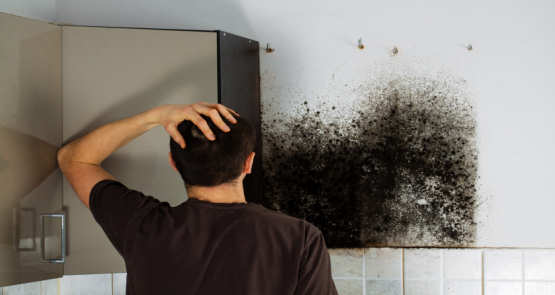

How could it occur and why does it happen?
Penetrating damp in domestic properties refers to moisture entering the building from the outside, moving horizontally through the walls or roof. It differs from rising damp, which moves vertically up from the ground. Penetrating damp can affect any level of a building, including the higher floors, and is particularly prevalent in areas exposed to severe weather conditions.Potential reasons could be as follows:
Defective Roofing
Damaged, missing, or slipped roof tiles or slates can allow water to penetrate through to the underlying roof structure and, eventually, into the living spaces below. Flat roofs are especially vulnerable if they are not adequately waterproofed or if drainage is poor.
Poorly Maintained Gutters and Downpipes
Blocked, damaged, or poorly aligned gutters and downpipes can cause water to overflow and saturate the walls, leading to penetrating damp. Regular maintenance is required to ensure rainwater is effectively channeled away from the building.
Cracks in Walls or Faulty Pointing
Over time, walls can develop cracks due to settling, weathering, or insufficient maintenance. Mortar can also erode, leading to faulty pointing. These defects can provide a pathway for rainwater to enter the building structure.
Window and Door Frames
Faulty or deteriorating seals around windows and doors can allow water ingress, particularly during driving rain.
Porous Brickwork
Over time, brickwork can become porous, especially if it's not been properly maintained or if the quality of the brick or mortar is poor. This porosity can allow rainwater to penetrate the wall.
External Ground Levels
High external ground levels, above the damp-proof course, can also lead to penetrating damp if moisture bypasses the protective barrier designed to shield the lower portions of walls from soil moisture.