



Condensation
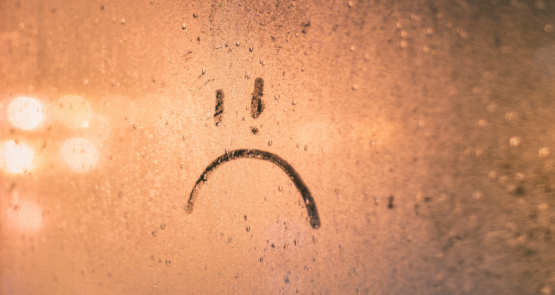

How could it occur and why does it happen?
Condensation in domestic properties is a common issue due to a variety of factors, primarily involving the presence of excessive moisture in the air internally. Potential reasons could be as follows:
Difference in Temperature
Condensation happens when warm, moist air comes into contact with colder surfaces, like windows or walls. The temperature difference causes the moisture in the air to cool down and change from its gaseous state (water vapor) into liquid form (water droplets). This is most evident during colder months when the inside of a property is heated, and the external temperatures are low.
High Humidity Levels
Daily activities such as cooking, bathing, drying clothes indoors, and even breathing add moisture to the air inside a property. When the air contains a high level of moisture (high humidity), it increases the likelihood of condensation if the air contacts a cooler surface. Proper ventilation is essential to allow moist air to escape and to reduce indoor humidity levels.
Lack of Ventilation
Modern homes are often built to be more energy-efficient, with tighter seals around doors and windows to prevent heat loss. While this is beneficial for reducing energy bills, it can also trap moist air inside and reduce ventilation. Without adequate air exchange, moisture levels can build up indoors, leading to condensation.
Cold Surfaces
Cold surfaces in a home, such as windows, walls, and metal pipes, can become sites for condensation. Insufficient insulation can exacerbate this issue by allowing surfaces to remain cold, attracting moisture in the air.
Thermal bridging
This is where heat is transferred across more conductive materials in the building envelope, creating cold spots that are more conducive to condensation.